Every morning, countless people begin work before many of us even start our day. A farmer tends crops, a nurse checks on patients, a driver begins a route, and a sanitation worker keeps streets clean. These community helpers make everyday life safer, healthier and more organised, often working quietly behind the scenes to keep society functioning smoothly.
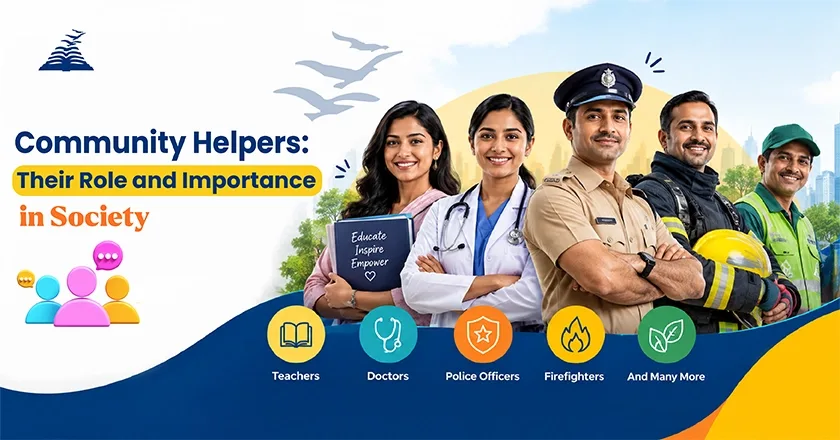
Table of Contents
Who Are Community Helpers?
People who provide essential services and support the needs of others are known as community helpers. Understanding community helpers and their roles allows children to recognise how different professions work together. Their work may involve healthcare, education, safety, transportation, food production, maintenance or public services.
Why Are Community Helpers Important in Our Daily Lives?
The importance of community helpers can be seen in almost every part of daily life. They treat illnesses, teach children, maintain public spaces, deliver essential items, repair services and respond during emergencies. Without their contribution, even simple everyday activities could become difficult.
Types of Community Helpers and Their Roles
There are many types of community helpers, each performing a particular service. While their jobs may be different, they share one common purpose: helping individuals and communities live safely and comfortably.
Doctors and Nurses – Taking Care of Our Health
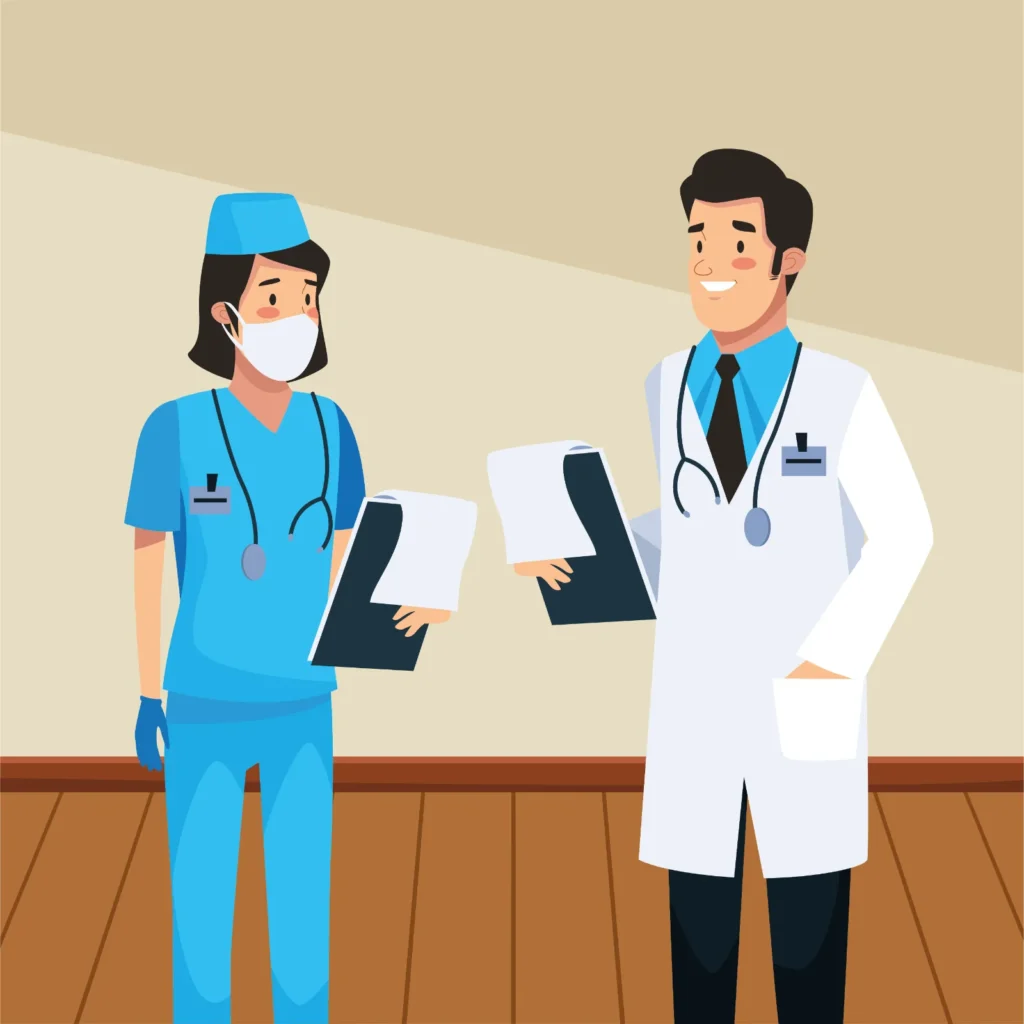
Doctors diagnose illnesses and recommend treatment, while nurses care for patients, administer medicines and support recovery. Together, they play an essential role in protecting public health.
Teachers – Educating and Guiding Students
Teachers help children develop knowledge, values, confidence and important life skills. Beyond classroom lessons, they encourage curiosity, discipline, creativity and responsible behaviour.
Police Officers – Maintaining Safety and Law
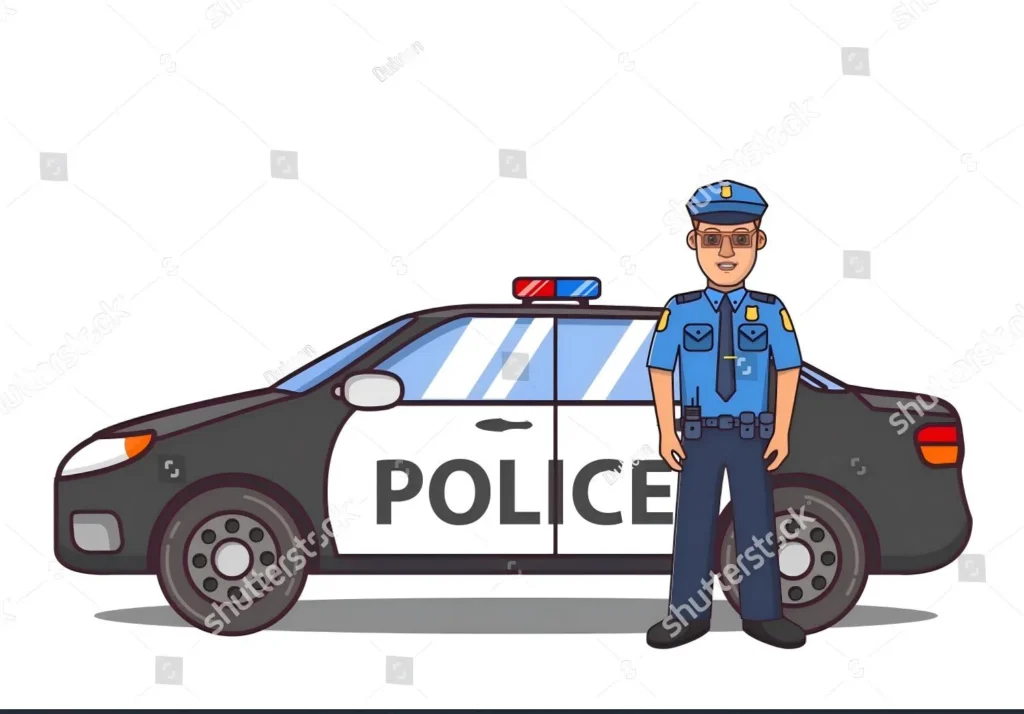
Police officers help maintain law and order, respond to emergencies and protect people and property. They also support communities by managing traffic and assisting people during difficult situations.
Firefighters – Protecting People During Emergencies
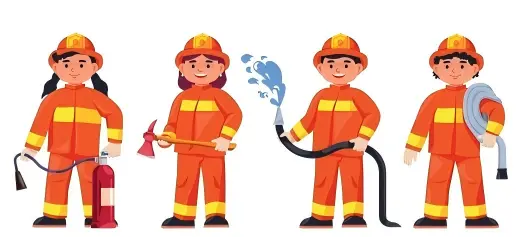
Firefighters respond to fires, accidents and rescue situations. Their courage, training and quick decision-making help protect lives and reduce damage during emergencies.
Farmers – Providing Food for the Community
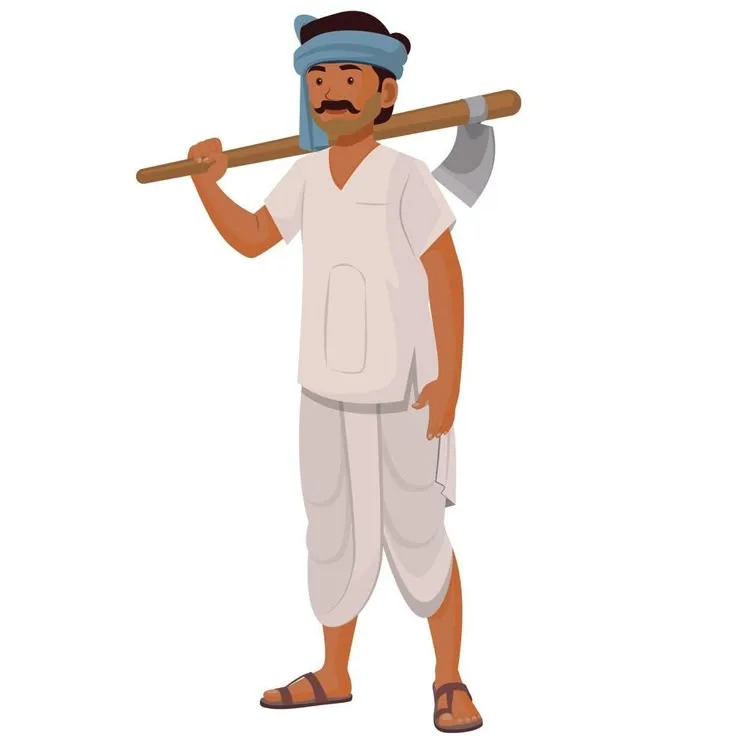
Farmers grow crops and raise livestock that provide food for families. Their work connects agriculture to markets, homes, schools and businesses.
Sanitation Workers – Keeping Our Surroundings Clean

Sanitation workers collect waste, clean public spaces and help maintain hygienic surroundings. Their contribution is especially important in preventing the spread of disease.
Postal Workers – Connecting People and Delivering Essentials

Postal workers deliver letters, documents, parcels and other important items. Even in a digital world, postal and delivery services continue to connect people and businesses.
Drivers and Transport Workers – Helping People Travel Safely
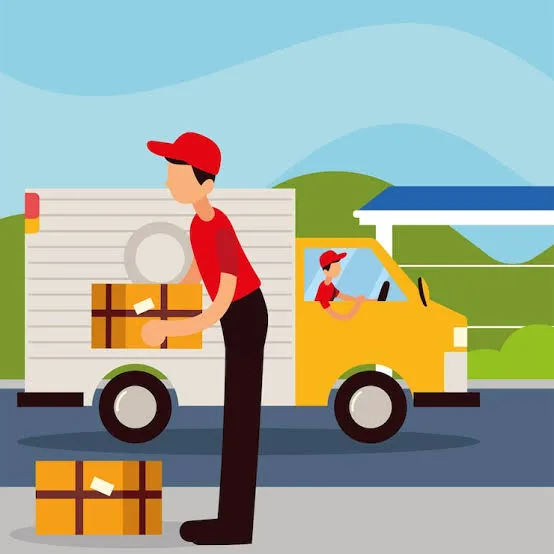
Bus drivers, train operators, taxi drivers and other transport workers help people reach schools, workplaces, hospitals and other destinations safely.
Electricians and Plumbers – Maintaining Essential Services

Electricians maintain electrical systems, while plumbers ensure that water supply and drainage systems work correctly. Their skills help homes, schools and workplaces operate smoothly.
Shopkeepers and Service Workers – Supporting Everyday Needs
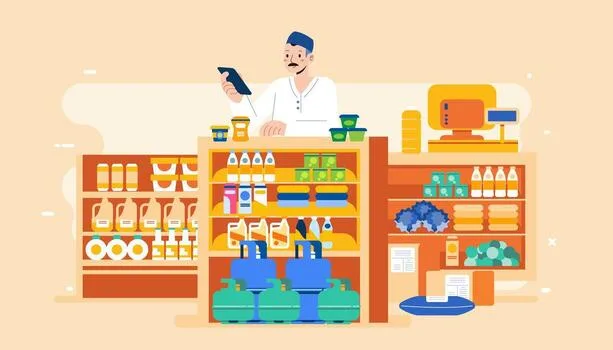
Shopkeepers and service workers provide groceries, medicines, household products and many other necessities. These are familiar examples of community helpers that children often encounter in their own neighbourhoods.
How Community Helpers Contribute to a Better Society
The work of community helpers and their duties and responsibilities creates an interconnected support system. One profession often depends on another: hospitals require electricity and sanitation, schools depend on transport and maintenance, and families rely on farmers and shopkeepers for food. This cooperation helps communities function efficiently.
How Community Helpers Keep Us Safe, Healthy and Connected
Community workers support us in different ways. Healthcare professionals protect our health, police officers and firefighters respond to danger, sanitation teams maintain cleanliness, and transportation and postal workers keep people connected. Their combined efforts provide stability during both ordinary days and unexpected situations.
What Children Can Learn from Community Helpers
Learning about different professions gives children a better understanding of the world around them. It also teaches them that every useful job deserves dignity and respect.
Respect for Every Profession
Children should learn that no profession is less important simply because the work is different. A doctor, teacher, farmer, cleaner and driver all contribute to society in valuable ways.
Responsibility and Teamwork
Community workers show children that responsibilities must be completed carefully and consistently. They also demonstrate how teamwork helps people achieve goals that would be difficult to accomplish alone.
Kindness, Empathy and Service to Others
Many professions involve caring for others, solving problems or helping someone in need. Observing these qualities can inspire children to become more thoughtful, compassionate and willing to support others.
How Students Can Show Respect and Gratitude to Community Helpers
Students can show appreciation through simple actions. Greeting workers politely, saying thank you, keeping public spaces clean and following safety rules are meaningful ways to demonstrate respect. Schools can also organise thank-you activities, awareness programmes or classroom discussions about different professions.
Community Helpers at School and in the Neighbourhood
A school itself is supported by many people besides teachers. Administrators, security personnel, drivers, housekeeping teams, gardeners and maintenance staff all contribute to a safe learning environment. An ICSE school in Banashankari can help children recognise these contributions by involving them in age-appropriate activities that build appreciation for everyone who supports the school community.
Fun Ways for Children to Learn About Community Helpers
Young children understand ideas better when learning is connected with activities and real experiences. Many schools in Bangalorecan use interactive methods to help students discover how different professions contribute to everyday life.
Role-Play Activities
Children can dress up as doctors, teachers, police officers, firefighters or shopkeepers and act out simple situations. Role-play makes learning enjoyable while improving communication and imagination.
Community Helper Worksheets and Projects
Worksheets, drawing activities, matching games and small projects can help students identify occupations, tools and workplaces. Older children can prepare posters or short presentations about a profession.
Visits and Interaction with Community Helpers
Inviting a firefighter, doctor, police officer or other professional to speak with students can make lessons memorable. Short visits to places such as a fire station, post office or farm can also help children understand how real workplaces operate.
Learning about people who serve society teaches children much more than the names of occupations. It helps them appreciate cooperation, responsibility, dignity of labour and gratitude. When children understand how many people contribute to their daily lives, they grow more aware of the value of service and the importance of contributing positively to their own communities.
Presidency School Banashankari: Helping Students Appreciate the People Who Keep Society Moving
Understanding community helpers and their importance in society helps children recognise the valuable roles played by teachers, doctors, nurses, police officers, firefighters, sanitation workers, farmers, drivers, and many others who support everyday life. At Presidency School Banashankari, students are encouraged to learn about these professions through classroom discussions, role play, storytelling, projects, and real-life examples that build respect and social awareness. Exploring how different community helpers contribute to safety, health, education, transport, and public services also teaches children empathy, gratitude, responsibility, and teamwork. By connecting classroom learning with the world around them, Presidency School Banashankari helps students of top ICSE schools in Bangalore grow into thoughtful, respectful, and socially responsible individuals.
Conclusion
Community helpers remind children that society works best when people contribute their skills with responsibility, care and cooperation. From doctors, teachers and firefighters to farmers, drivers, sanitation workers and service staff, every profession plays a meaningful role in everyday life. Learning about these contributions helps students understand dignity of labour, empathy, teamwork and gratitude in a practical way. Schools can deepen this understanding through role-play, projects, interactions and real-world observations that make the topic more relatable. When children learn to notice and appreciate the people who support their homes, schools and neighbourhoods, they also begin to understand their own responsibility to contribute positively to the community.